
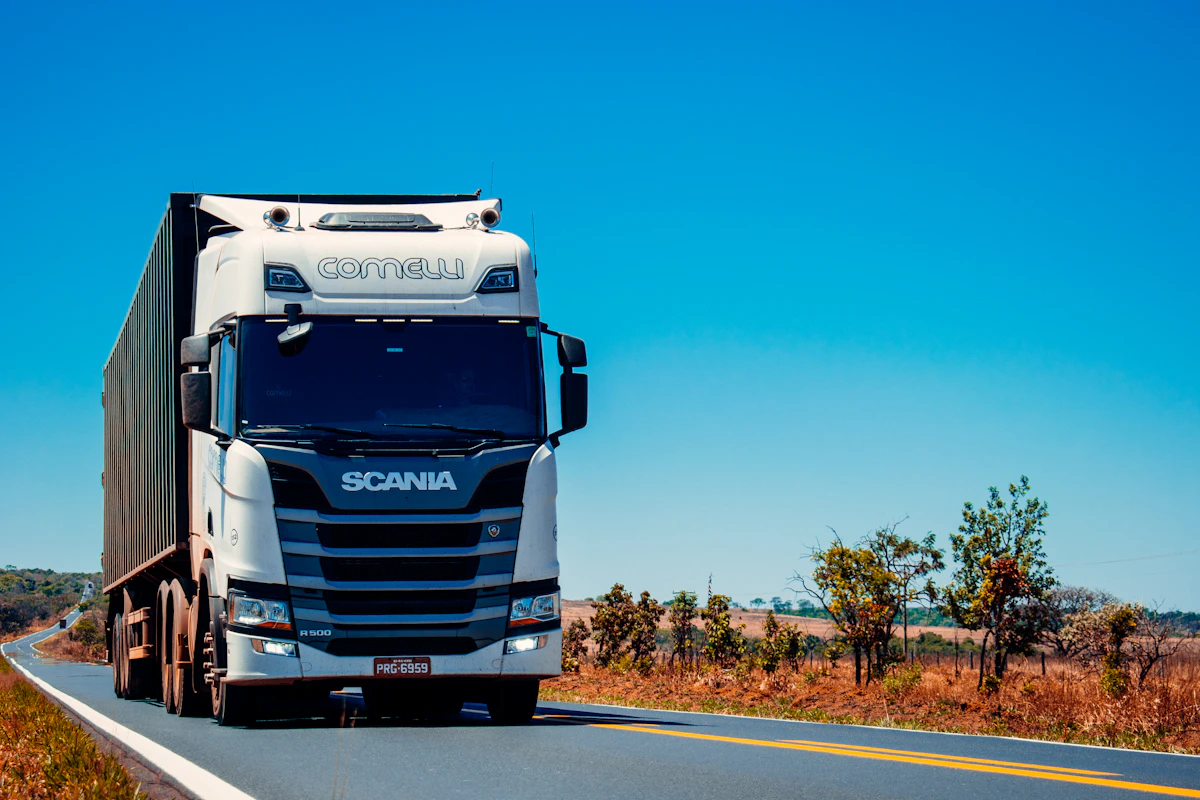
The Pacific Northwest remains a vital corridor for American commerce, yet as we enter 2026, the logistics of staying insured in the Evergreen State are becoming more complex. For those operating in the Everett-Seattle-Tacoma hub, trucking insurance in Washington state is no longer just a line item—it's a critical component of operational survival.
According to the Bureau of Transportation Statistics, the Producer Price Index for the trucking industry saw a 2.0% increase in early 2026. This reflects a broader trend where rising equipment costs and a tightening regulatory environment are putting pressure on carrier margins. For Washington drivers, this means that having "enough" coverage is now a moving target.
The 2026 Cost Landscape: What to Expect
Navigating commercial truck insurance in WA requires a realistic budget. Market data from MoneyGeek and Geotab indicates that Washington drivers pay an average monthly premium of approximately $486, or roughly $5,827 annually, for a standard policy.
However, these rates vary wildly based on your operation:
| Operator Type | Annual Premium Range |
|---|---|
| Owner-Operators (New Authority, 1st year) | $12,000 – $20,000+ |
| Owner-Operators (Established, 3+ years) | $9,000 – $14,000 |
| Leased Operators (Hauling for carrier) | $3,000 – $5,000 |
Source: AtoB 2026 Owner Operator Statistics
Compliance Pillars: WSDOT and FMCSA Requirements
To legally haul freight in Washington, you must satisfy both state and federal oversight bodies.
1. The FMCSA Mandate (Interstate)
If you cross state lines, the Federal Motor Carrier Safety Administration (FMCSA) remains the ultimate authority. As of February 2026, the minimum liability for non-hazardous general freight remains $750,000. However, the Journal of Commerce notes that many major shippers and brokers now require a minimum of $1 million in liability before they will release a load to a carrier.
2. The WSDOT / UTC Standard (Intrastate)
For those staying within Washington borders, the Washington Utilities and Transportation Commission (UTC) sets the bar. For vehicles over 10,000 pounds hauling general commodities, the minimum is a $750,000 Combined Single Limit (CSL). Hazardous materials require a much steeper $1 million to $5 million depending on the substance.
The "Modern Trucker" Protection Kit
Beyond the mandatory liability, 2026 has introduced new risks that require specialized owner operator insurance Washington riders.
- Physical Damage (2-3% of Truck Value): With new semi-trucks often exceeding $160,000, physical damage coverage is essential. In Washington, where "Atmospheric Rivers" have recently caused record flooding along the Snohomish River, this coverage protects against weather-related total losses.
- Cargo Insurance ($100k Standard): While the FMCSA minimum for cargo is low, most brokers in 2026 won't work with you unless you carry at least $100,000 in cargo protection to cover high-value electronics and regional agriculture products.
- Non-Trucking Liability (Bobtail): This covers you when you aren't under dispatch—like driving home after a drop-off in Everett.
How to Lower Your Trucking Premiums in 2026
In a high-cost environment, there are ways to optimize your premiums:
- Safety Technology: Insurers are now offering 5% to 15% discounts for trucks equipped with dash cams and telematics systems that monitor speed and braking habits.
- Clean CDL Record: A single at-fault accident can increase your premiums by 20% to 40% for up to three years.
- Higher Deductibles: Moving from a $1,000 to a $2,500 deductible can cut your annual premium by 15% to 25%, provided you have the cash reserves to cover the difference in an emergency.
Frequently Asked Questions
What is the average cost of commercial truck insurance in Washington?
For 2026, the average annual premium for a semi-truck in Washington is approximately $5,827. However, new owner-operators with fresh authority may see quotes as high as $18,000 depending on their cargo and driving experience, according to MoneyGeek market reports.
Is $750,000 liability enough for a Washington trucker?
Technically, yes, it meets the FMCSA and WSDOT minimums for general freight. However, in the 2026 market, most brokers and Fortune 500 shippers require a minimum of $1 million in liability. Carrying the higher limit is often necessary to access the best-paying loads.
Do I need Workers' Comp for my trucking business in WA?
Yes. Washington is a monopolistic state, meaning all workers' compensation must be handled through the Department of Labor & Industries (L&I). If you have even one employee, you must pay into the state fund. Independent owner-operators may be exempt but should verify their status with L&I annually.
What is Bobtail insurance, and do I need it in Everett?
Bobtail insurance (also known as Non-Trucking Liability) is essential if you ever drive your tractor without a trailer. Your primary liability insurance only covers you when you are "under dispatch." If you are driving for personal reasons or to a repair shop in Everett without a load, you need Bobtail coverage to stay protected.